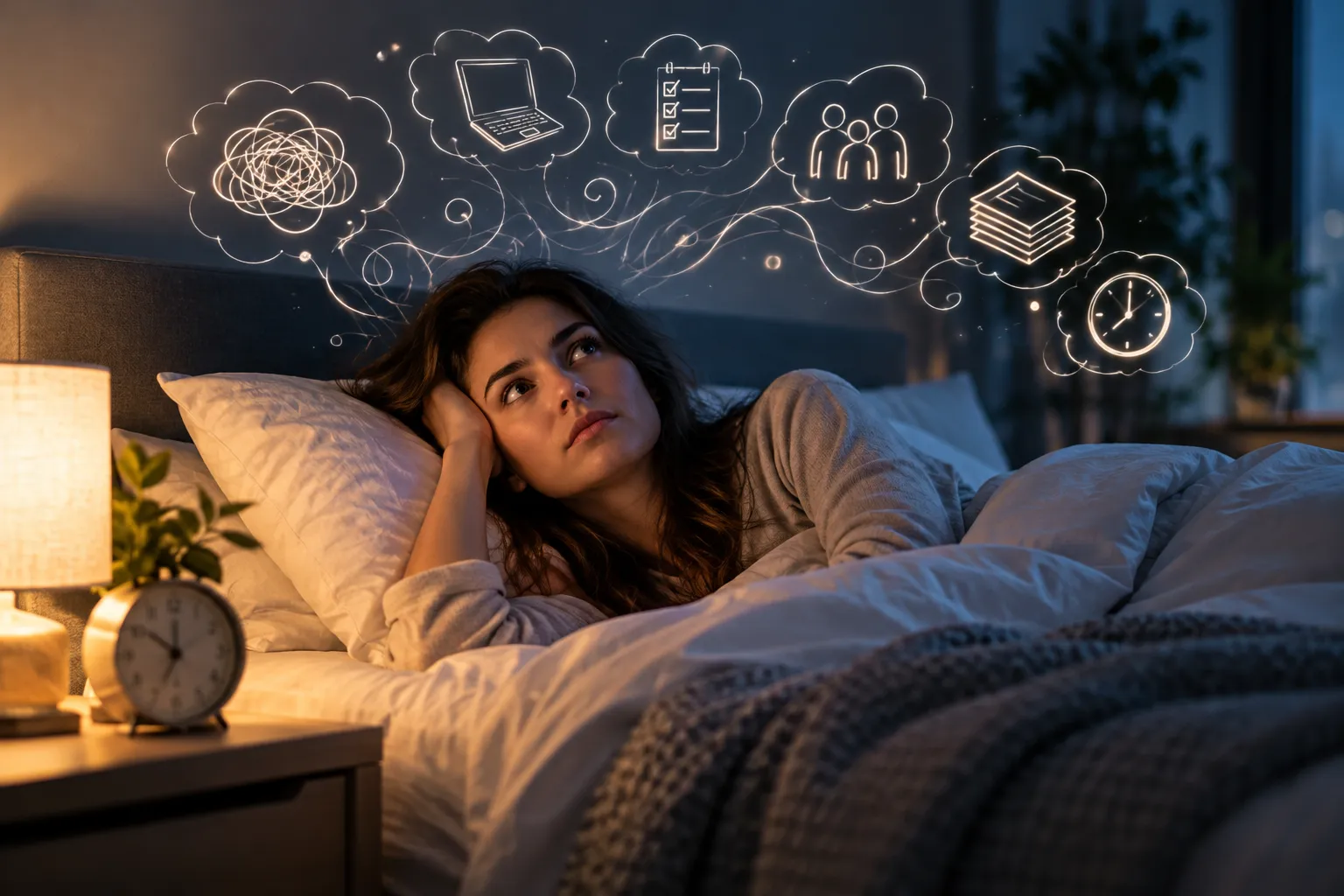
A sleepless night can make the next day much harder. For people with Attention-Deficit/Hyperactivity Disorder (ADHD), poor sleep can become an added struggle. Trouble falling asleep, waking up during the night, and feeling tired in the morning can all affect attention, mood, and daily activities.
If you are looking for ADHD and sleep support in NYC, understanding the connection between attention and sleep can be the first step toward finding the right care. At NY Neurofeedback, services include QEEG brain mapping, neurofeedback, and psychological services.
How Are ADHD and Sleep Problems Connected?
ADHD is a neurodevelopmental condition marked by ongoing inattention and/or hyperactivity and impulsivity. Sleep problems are common in people with ADHD, although not everyone with ADHD experiences them.
Some people have trouble going to bed, keeping a regular sleep schedule, or relaxing at night. Others feel exhausted when they wake up, even after spending enough time in bed.
The connection works both ways. People who do not get enough sleep often have trouble concentrating, managing emotions, and controlling impulses during the day. At the same time, ADHD symptoms can make it harder to sleep well.
According to the National Institute of Mental Health, sleep problems are common in adults with ADHD. However, sleep problems have many possible causes, so not every sleep problem can be attributed to ADHD.
Common Sleep Problems in Children and Adults With ADHD
Sleep problems can vary with age and with a person’s daily routine. Common issues include:
- Difficulty falling asleep
- Irregular bedtimes or wake-up times
- Difficulty staying asleep through the night
- Daytime sleepiness or trouble concentrating
- Irritability or difficulty managing emotions
- Trouble sticking to a bedtime routine
In children, a lack of sleep can look like hyperactivity or impulsivity, which can be hard to tell apart from ADHD symptoms. That is why a full evaluation matters: sleep problems and other factors should be considered whenever attention problems are assessed.
Can Poor Sleep Make ADHD Symptoms Feel Worse?
Yes. Too little sleep, or poor-quality sleep, affects attention, memory, decision-making, and emotional control, which can make ADHD symptoms harder to manage.
For example, a child who has not slept well may struggle to pay attention in class or finish homework. A teenager who sleeps badly may find it hard to keep up with a school schedule, and an adult may have trouble organizing and focusing on tasks at work.
This does not mean the condition itself is getting worse. Poor sleep affects attention and behavior in general, and other factors may also be involved. If attention problems and sleep troubles occur together, talk with a healthcare provider.
What Can Help Improve Sleep With ADHD?
Consistent sleep habits are a useful place to start. Routine alone may not solve every sleep problem, but it can help build better habits.
- Keep consistent sleep times. Try to go to bed and wake up at the same time every day.
- Create a relaxing bedtime routine. Reading, a warm bath, or soothing music can make it easier to fall asleep.
- Avoid screens before bed. Screen light and stimulating content can keep you awake. Try to put devices away at least an hour before sleep.
- Look at your daily habits. Regular exercise, the right lighting, and avoiding caffeine in the evening may help.
- Talk to a professional. Insomnia, loud snoring, breathing problems during sleep, or extreme daytime drowsiness should be discussed with a healthcare professional.
Sleep needs differ by age, so advice should match the age of the person.
How Does NY Neurofeedback Approach ADHD and Sleep Concerns?
Personalized care at NY Neurofeedback starts from the idea that every person is different. The process has three steps:
- Evaluate: Explore your concerns, goals, and history. When appropriate, QEEG brain mapping is used to gather information about the brain’s electrical activity.
- Plan: Use this information to create an individual treatment plan.
- Treat and monitor: Neurofeedback provides real-time feedback on brain activity during training, and progress is tracked over time as part of the personalized plan.
Besides neurofeedback, NY Neurofeedback also offers psychological treatment and neurotherapy. Neurofeedback is not a guaranteed treatment for insomnia or ADHD. Results depend on the individual and the approach, and they vary. Some sleep problems require a medical consultation or specific sleep treatment.
Frequently Asked Questions
How are ADHD and sleep problems connected?
ADHD and sleep problems often occur together, but the relationship is complex. ADHD-related habits and restlessness can interfere with sleep, and poor sleep can in turn affect concentration and behavior.
Can lack of sleep mimic ADHD?
Yes. Lack of sleep can lead to inattention, impulsiveness, and behavior changes, especially in children. Because there can be several causes, a specialist can help find out what is contributing to these issues.
Can neurofeedback help with ADHD and sleep problems?
Neurofeedback is a brain training method that uses real-time feedback about brain activity. It has been studied for various purposes, but results differ from person to person. Neurofeedback is not a cure for ADHD or insomnia.
Where can I find ADHD and sleep treatment in NYC?
NY Neurofeedback offers neurofeedback, QEEG brain mapping, and individual psychological therapy for people in NYC and Long Island. Contact NY Neurofeedback to learn more about services and an initial consultation.
Discover Personalized Treatment Options in NYC and Long Island
Sleep and attention problems can affect work, school, relationships, and overall well-being. Understanding how they may be related can help you make better treatment decisions.
If you are looking for help with ADHD, insomnia, or neurofeedback in NYC, NY Neurofeedback can help you understand the assessment process and personalized treatment options. You can book a consultation or reach out directly.
NY Neurofeedback Contact Information
Website: www.nyneurofeedback.com
Phone: +1 (917) 405-8168
Email: merlynh@nyneurofeedback.com
This article is provided for educational purposes only and should not be used as medical advice.
Read our next blog — Insomnia and Brain Health: Understanding Sleep Difficulties With Dr. Merlyn Hurd