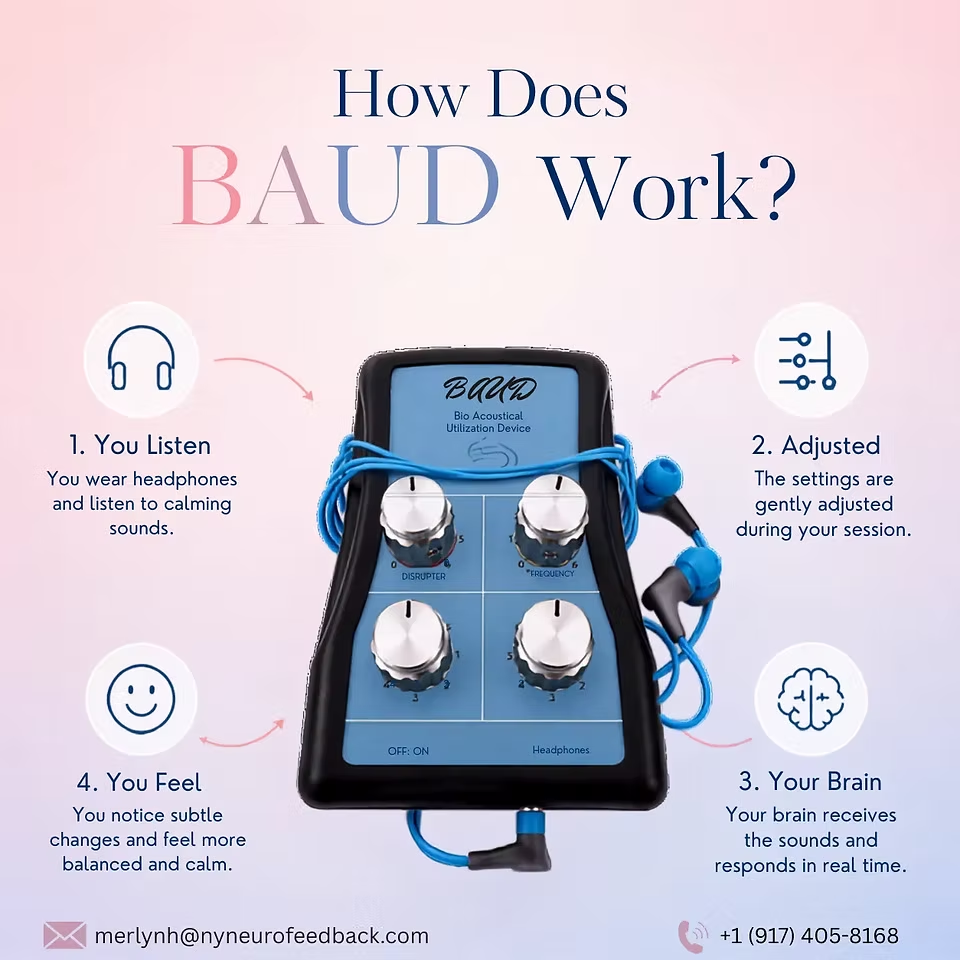
As you might have looked for neurofeedback NYC treatment, one term that you must be familiar with is the BAUD machine. BAUD stands for Bio Acoustic Utilization Device. This is a portable sound device that some therapists prefer to use in combination with neurofeedback, counseling, relaxation, and other forms of treatment.
While the common neurofeedback machine measures brainwaves and then displays them on a screen, the BAUD machine utilizes sound frequencies that can be adjusted through headphones. The BAUD machine is designed in such a way that it helps in the relaxation and self-regulation process. However, the BAUD machine is not a complete treatment for any mental illness, as it simply helps in reducing stress levels.
What Is the Actual Function of the BAUD Machine?
First of all, you should imagine that the BAUD is a kind of device that utilizes sounds within a therapeutic session.
The BAUD machine gives tones via headphones, and there are certain options that help the practitioner or user manipulate the frequency and inter-aural difference between tones. There are also some protocols where tones differ between the right and left ears.
The main principle here is the use of controlled sound stimulation along with relaxation and self-regulation. Additionally, there is the possibility of combining BAUD sessions with neurofeedback or any other type of therapy.
Here You Need to Distinguish Between BAUD and Neurofeedback in General
Traditional EEG neurofeedback is a method that uses sensors put on the scalp to get information about the electrical activity of the brain. The individual receives feedback regarding it and practices changing specific patterns. However, BAUD is mostly auditory biofeedback.
How Does One Use BAUD in Therapy?
The session may start with a discussion about your experiences and what you want to focus on. Next, a properly trained practitioner will introduce BAUD equipment and set up sounds depending on the particular method chosen by them.
Generally, using BAUD equipment requires sitting comfortably, wearing headphones, and listening to sounds while paying attention to the sensations you feel.
Practitioners may choose to incorporate BAUD into a wider therapy process when dealing with issues such as stress, relaxation, emotional control, and anxiety-related concerns. The BAUD technique may be complemented with neurofeedback, psychotherapy, breathing exercises, and other supporting techniques.
The key point is that BAUD should be seen as a component of therapy as a whole rather than an alternative to mental healthcare.
Difference Between BAUD and Neurofeedback Techniques
There are several differences:
- Neurofeedback uses measures of the electrical activity of the brain, usually EEG, to offer real-time feedback and teach self-regulation.
- BAUD uses audio stimulation provided through headphones to offer biofeedback-based therapy.
Because of these differences, neurofeedback clinics in NYC may use the techniques separately or in combination depending on their particular therapeutic approach.
Despite some promising results regarding certain symptoms related to anxiety, there is still room for improvement in terms of limitations and lack of evidence in this area. In a 2022 meta-analysis, for instance, anxiety-spectrum symptoms decreased among participants in the included studies; however, there were limitations concerning the generalizability of the results.
Why Are People Searching for Biofeedback Therapists in NYC?
New York offers a variety of mental health services, so making a choice can be difficult for many people.
Patients searching for biofeedback therapists in NYC may be interested in treatment options that involve the relationship between the brain, body, emotions, and stress response. Biofeedback therapy and neurofeedback therapy are not identical; however, both involve learning to recognize and manage certain physiological or neurological patterns.
When considering a provider, pay attention to more than the equipment used during treatment. Make sure you understand the practitioner’s qualifications, experience, and approach.
When looking for biofeedback therapy near you, it is also important to find out whether the provider offers a personalized program.
Is BAUD the Best Therapy for Everyone?
There is no single solution that can rightfully be called the best therapy option for everyone.
Psychological problems are very unique. Some patients may require psychotherapy, while others may benefit from medication, behavioral techniques, neurofeedback, biofeedback, or a combination of approaches.
BAUD therapy can be used as an additional instrument, especially when relaxation and self-regulation are among the objectives. However, no single device should be presented as a cure for every psychological problem or as a replacement for individualized care.
It is always better to consult a specialist to understand whether BAUD, neurofeedback, or another approach suits you.
What Questions Should You Ask Before Trying It Out?
Before using BAUD or neurofeedback, you may want to ask:
- What exactly is involved in this therapy?
- What kind of training or qualifications does the practitioner have?
- Is BAUD used alone or with other treatment methods?
- How will progress be assessed?
- What should I expect from each session and afterward?
- In which cases would it be wrong for me to use this method?
These questions might help you make a well-informed choice rather than choosing a therapy simply because it is trending online.
Frequently Asked Questions
Is the BAUD machine the same as the neurofeedback machine?
No. In classic neurofeedback, brain waves are monitored with EEG electrodes and feedback is provided according to the results. The BAUD machine is a sound stimulation device. Some practitioners might use both techniques together.
How is BAUD therapy used?
BAUD therapy can be used as one tool for relaxation and stress relief. Some therapists include BAUD in comprehensive programs related to concerns such as anxiety and emotional regulation, but individual outcomes may differ.
Can BAUD be a substitute for therapy and/or medication?
This therapy is not an automatic substitute for other well-established forms of mental health treatment. Depending on a person’s needs, a clinician might suggest psychotherapy, medication, neurofeedback, biofeedback, or a combination.
Where do I get biofeedback therapy nearby?
Start by finding a provider and reviewing their professional background, experience, treatment methods, and services. If BAUD therapy is being considered, it is useful to know whether the therapist has experience working with the device.
Where can I receive neurofeedback therapy in New York City?
Visit our contact page to ask about personalized neurofeedback and QEEG care in New York City.
A More Personal Way to Go About Neurofeedback
Incorporating technology into modern psychotherapy can be an interesting prospect, but personal aspects of treatment should remain important. In this way, a BAUD machine can become an auxiliary tool that uses sound for relaxation and self-regulation, whereas neurofeedback is a different method focused on real-time activity of the brain.
When looking for therapy in NYC, a biofeedback therapist, or biofeedback therapy near you, it is vital to find out about the exact nature of the techniques offered. It is wise to engage in a dialogue with a professional to find out which approach may be right for you.
It is important not to consider the most modern device to be the most helpful in every case.
Read our next blog — What Is a QEEG Brain Map? A Beginner’s Guide to Brain Mapping in NYC